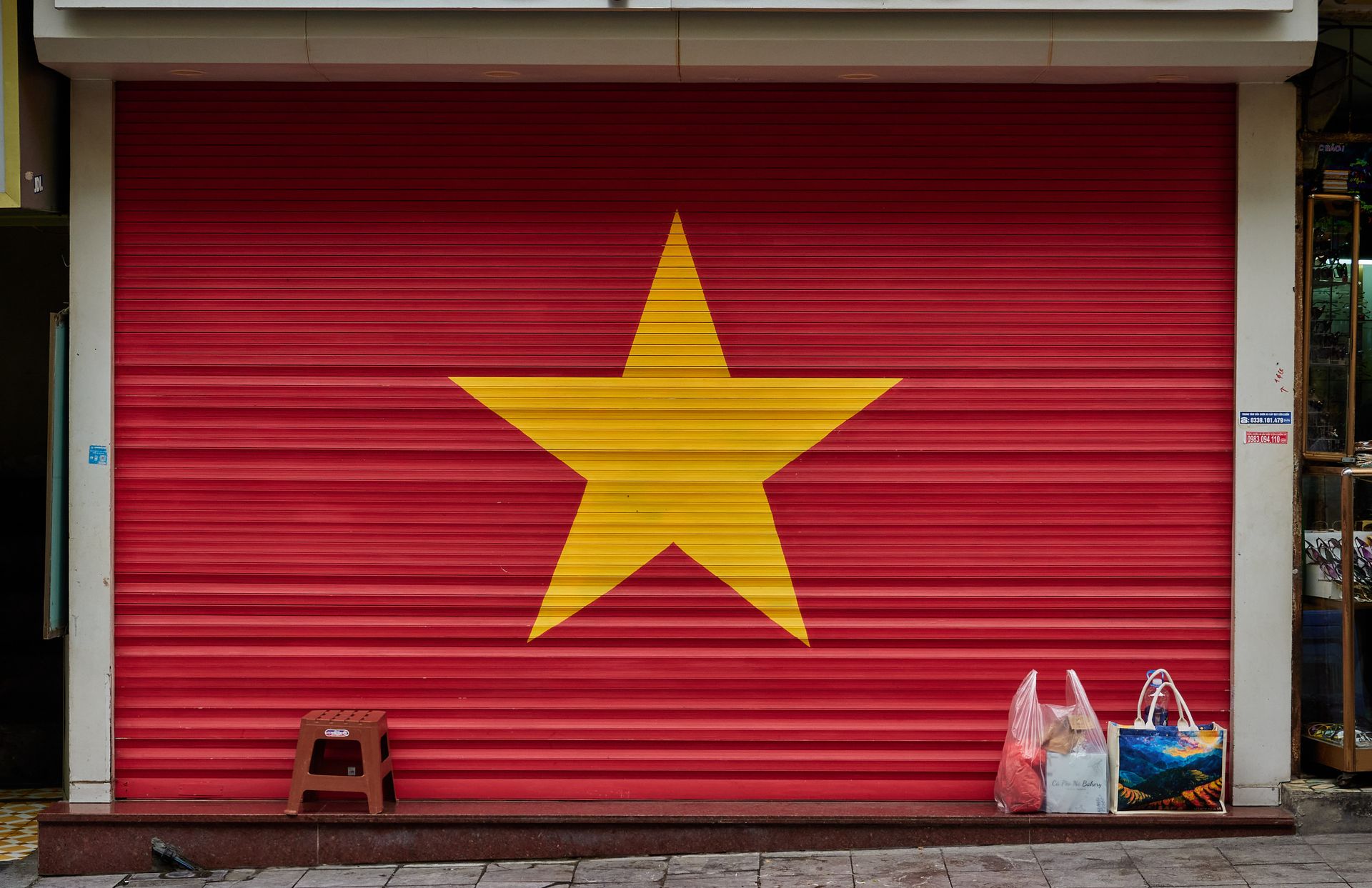

As the capital of Hanoi, I imagined the city exactly as everyone describes it: loud, chaotic, and overflowing with motorbikes. A place where crossing the street feels like a life-or-death decision. I wasn’t wrong. But after spending a few months in Southeast Asia, we had finally mastered the art of crossing the street. The secret? Don’t run. Don’t hesitate. Don’t make eye contact expecting them to stop or even slow down. Just walk at a steady, predictable pace and trust that the sea of scooters will magically flow around you and… it works.
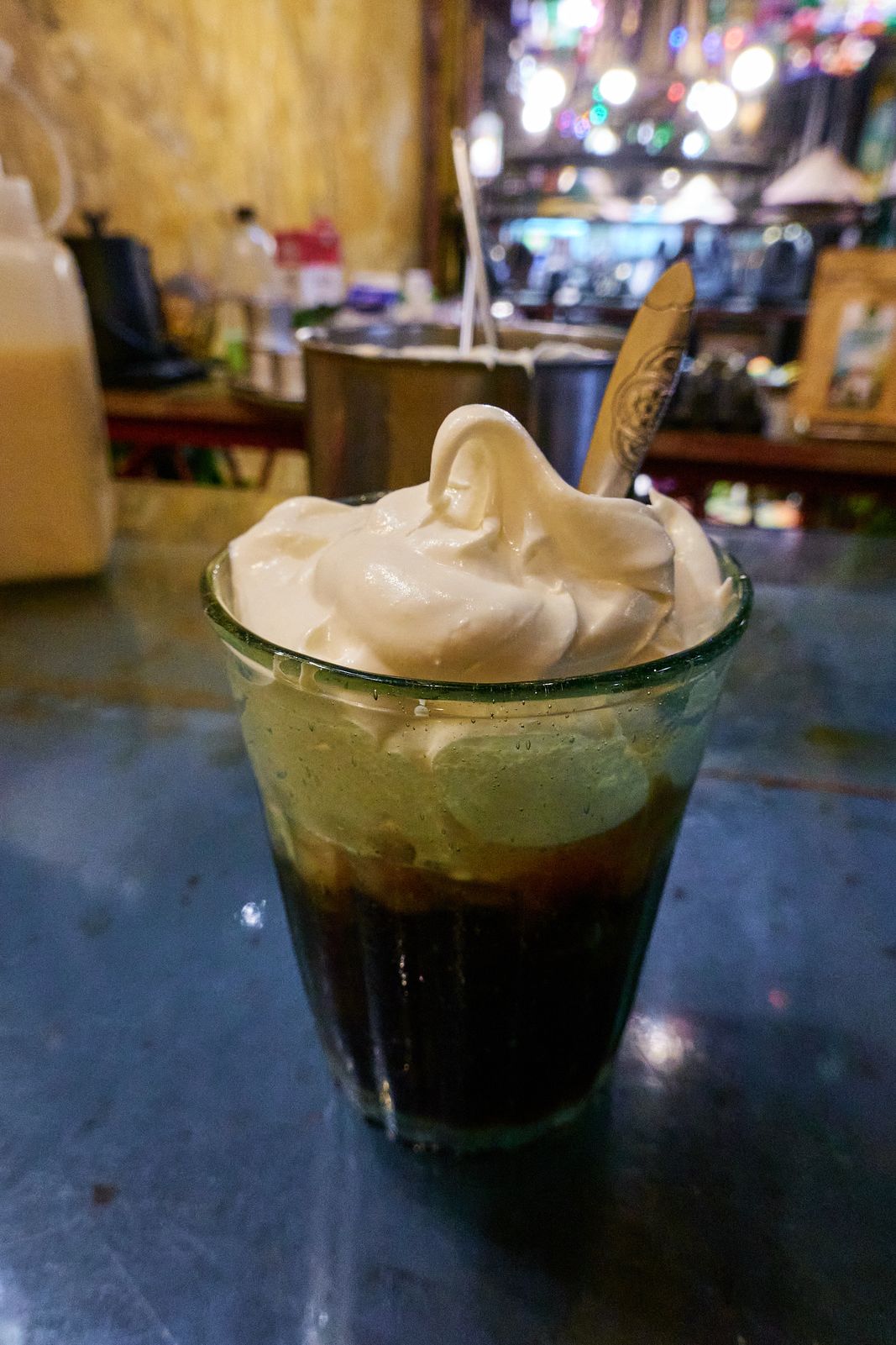
Before leaving Vietnam, there was one thing I absolutely had to do: learn how to make authentic Vietnamese coffee.
I had fallen deeply in love with:
- Cà Phê Đen (Black Coffee)
- Cà Phê Trứng (Egg Coffee)
- Bạc Xỉu (White Coffee)
- Cà Phê Dừa (Coconut Coffee)
- Cà Phê Muối (Salt Coffee)
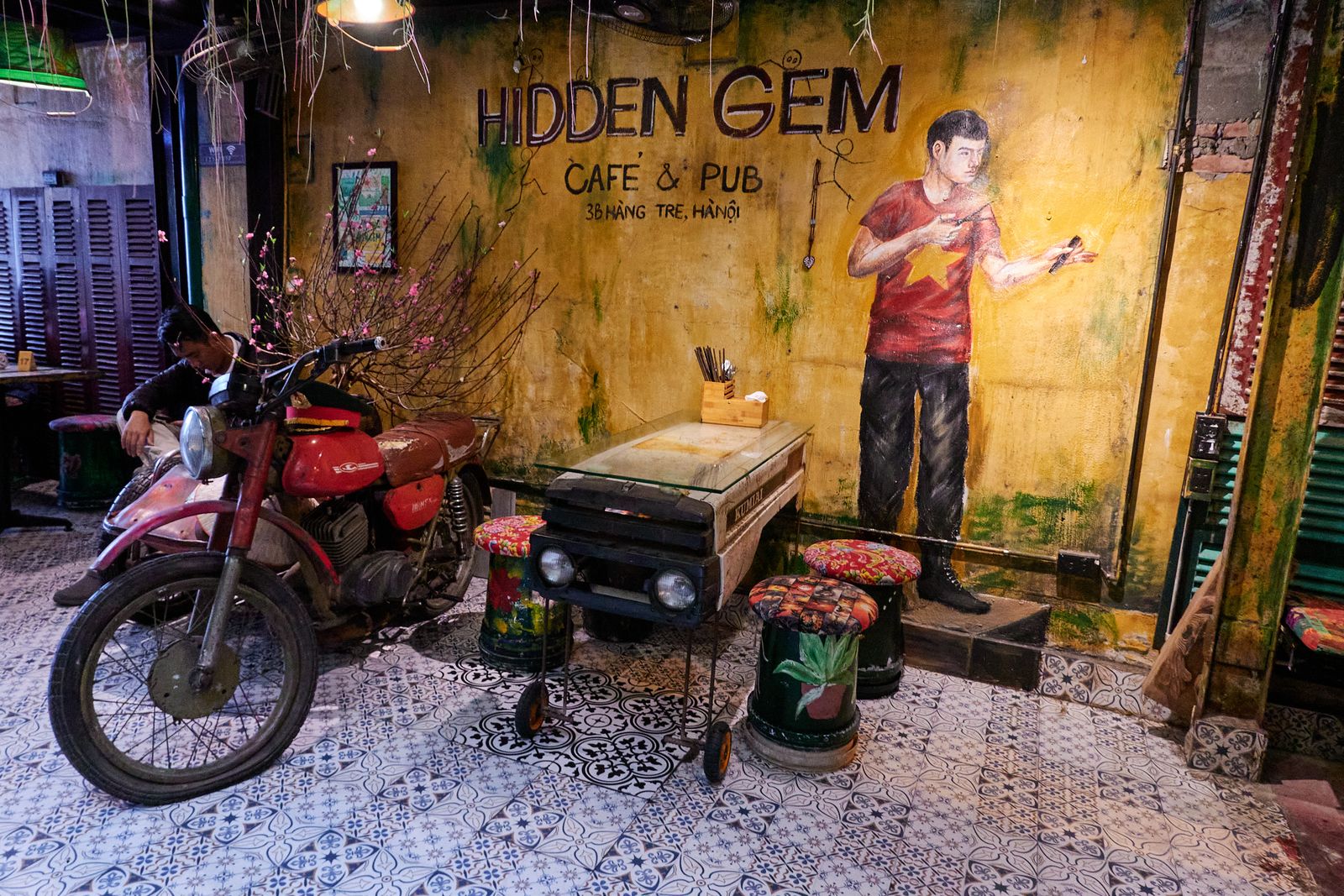
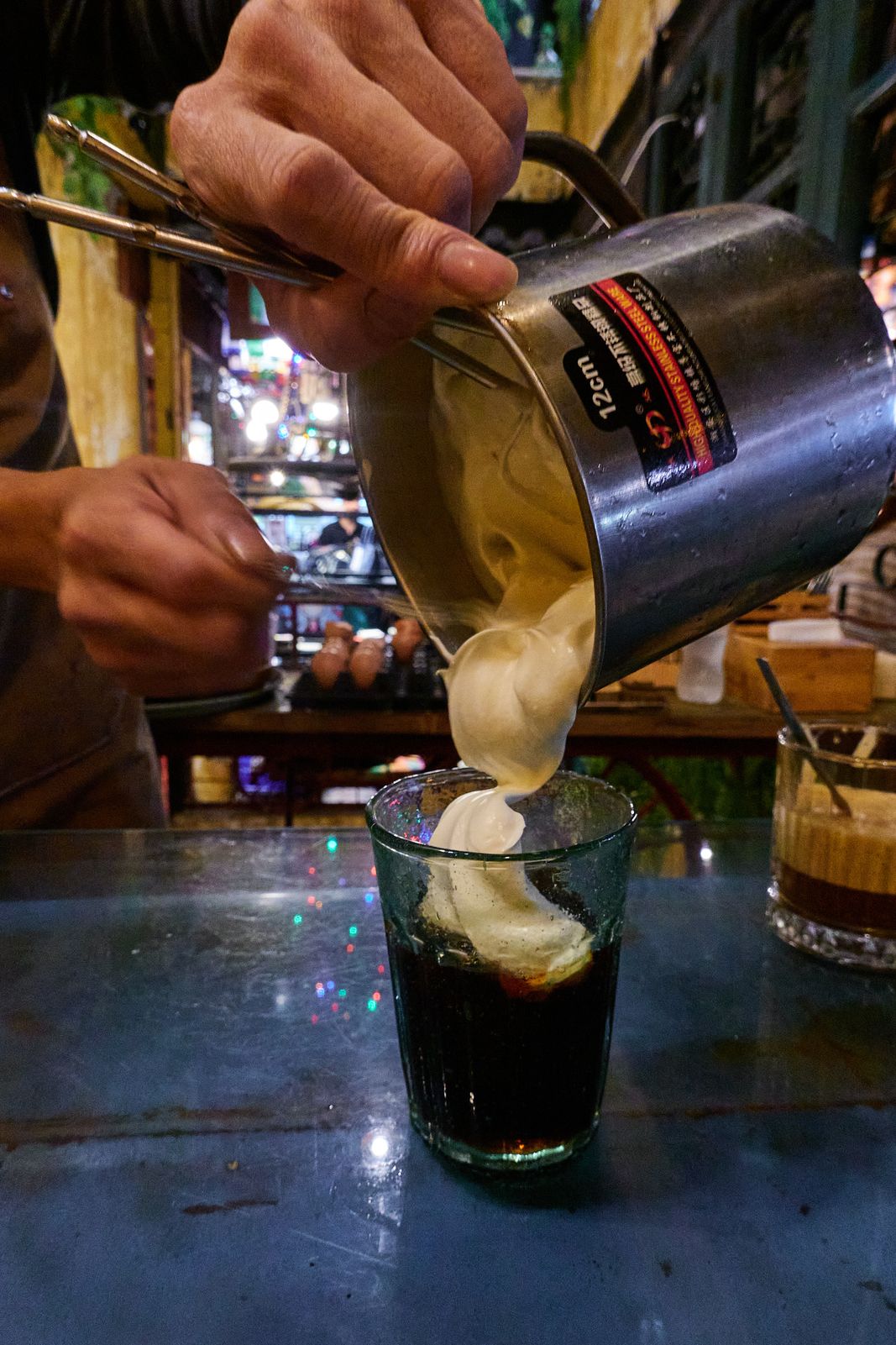
Each one has its own personality, strong, sweet, creamy, bold, and I wasn’t ready to say goodbye without knowing how to recreate them at home. So I booked a class at a hidden gem café in the Old Quarter. By pure luck, it turned into a private class. Just me, the barista, and a table full of condensed milk, egg yolks, coconut cream, and strong, dark robusta coffee dripping slowly through a traditional phin filter. I now feel fully qualified to open a tiny Vietnamese coffee shop in our backyard. Any customers out there?
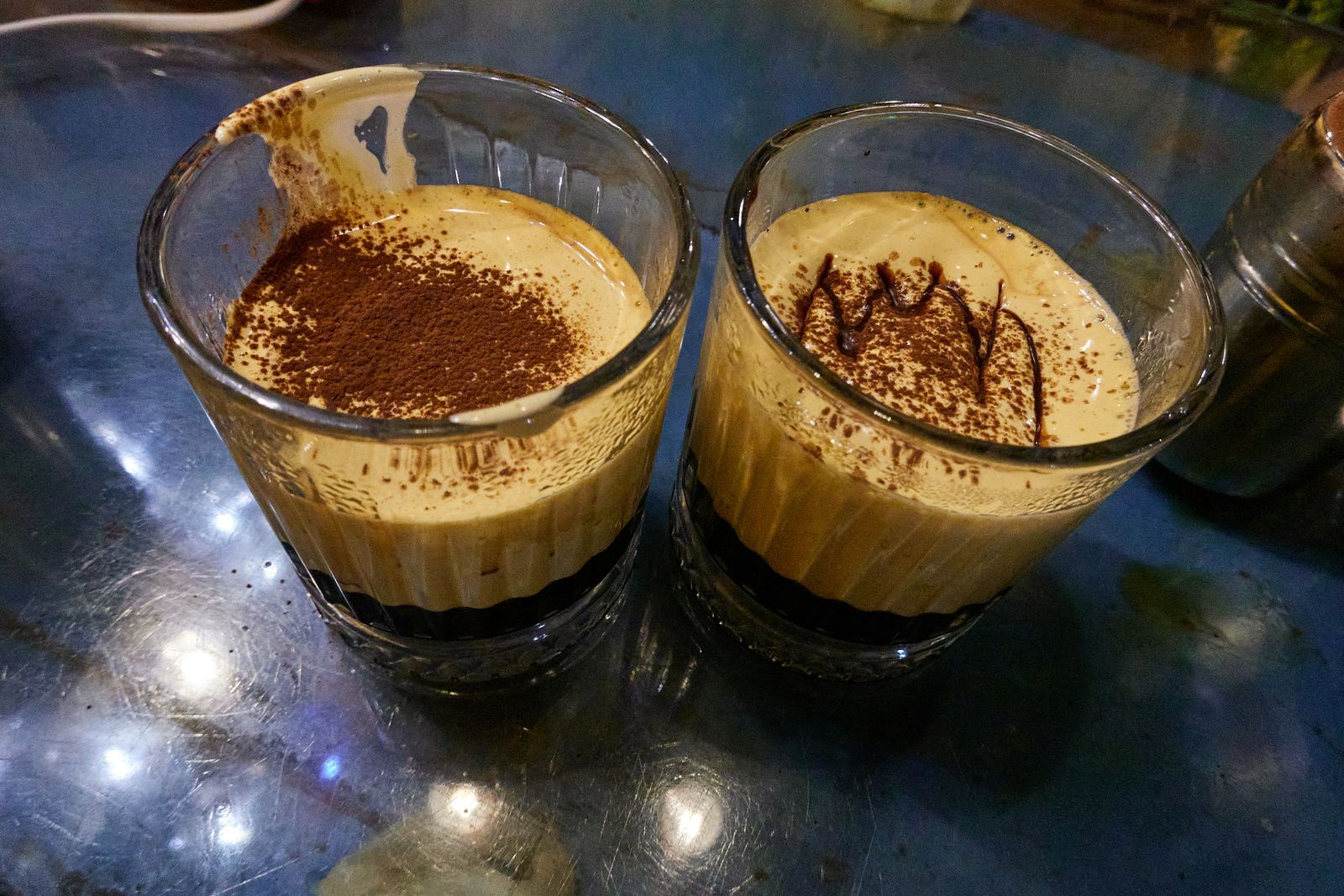
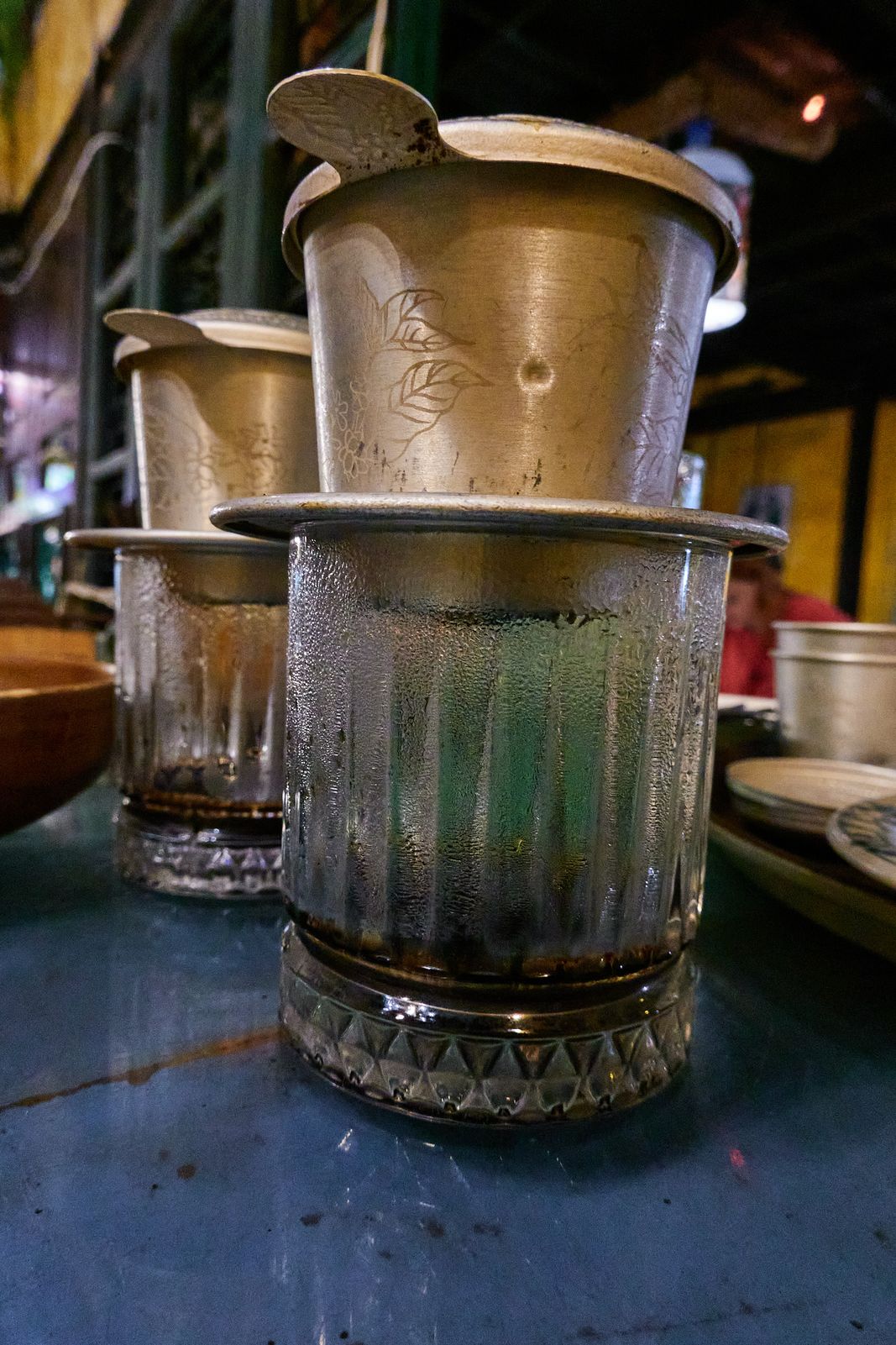
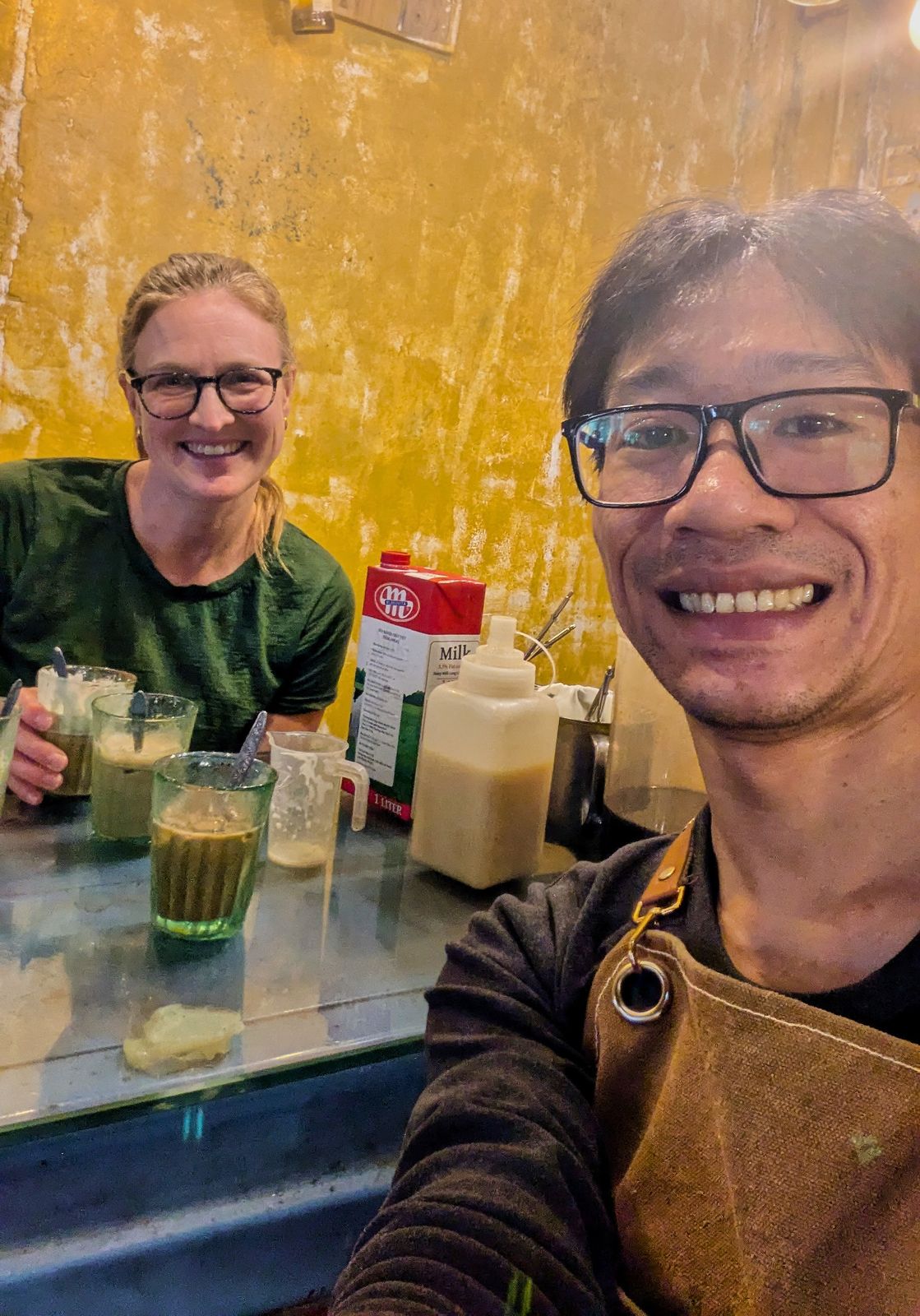
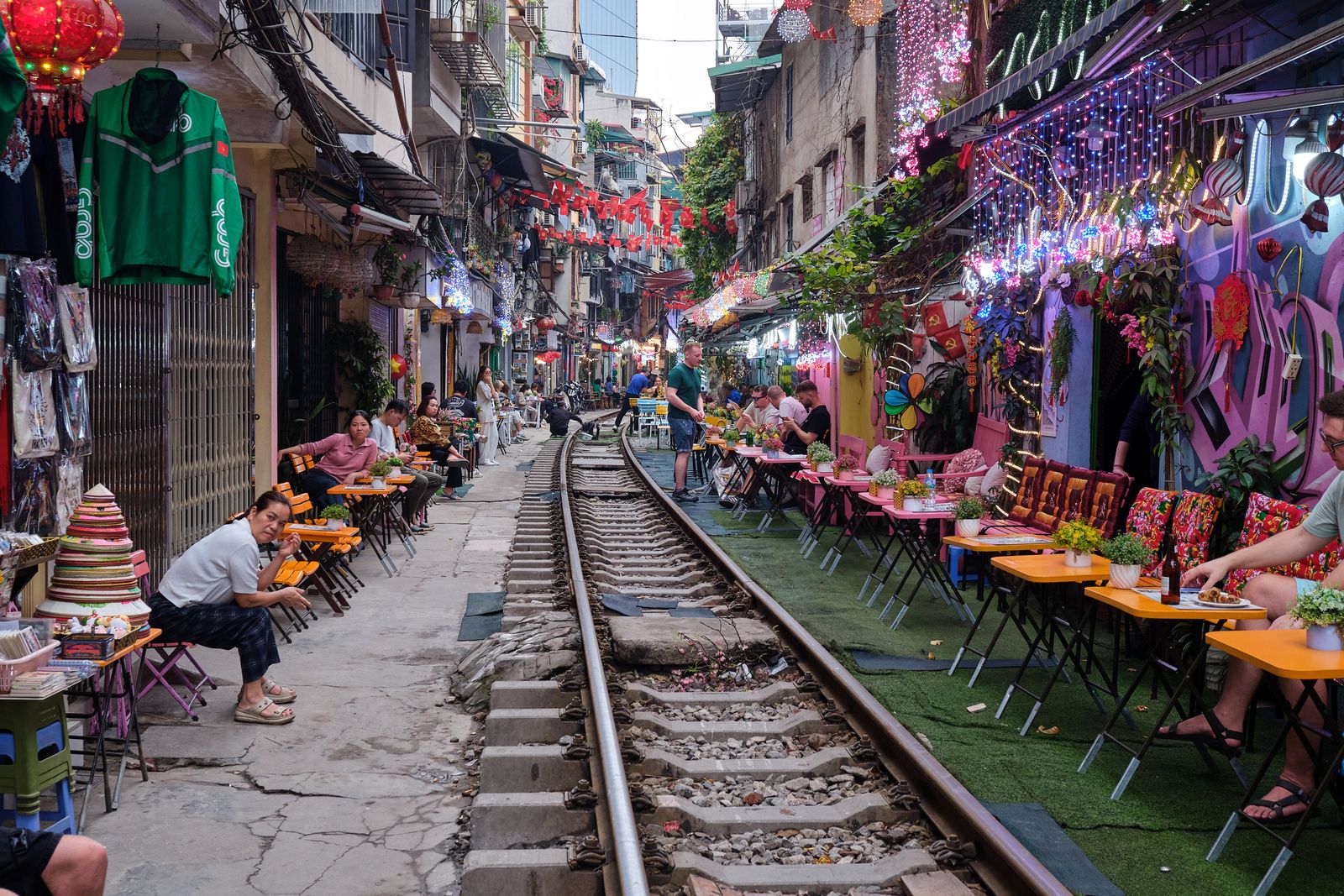
Another must-do on my Hanoi list? Visiting the legendary Hanoi Train Street. You’ve probably seen it all over social media: narrow residential tracks where trains pass inches from cafés and homes. But no video truly prepares you for the real thing.
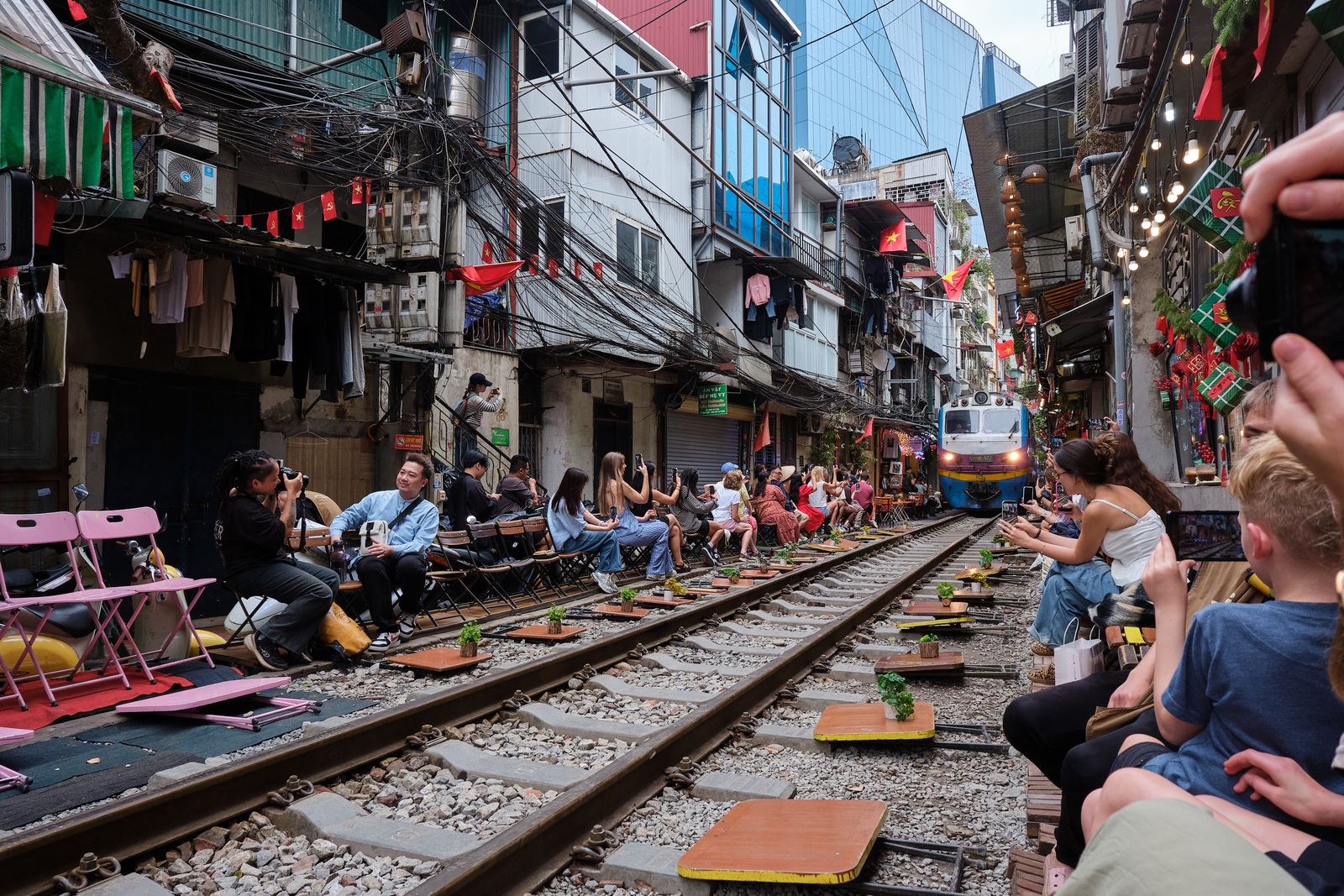
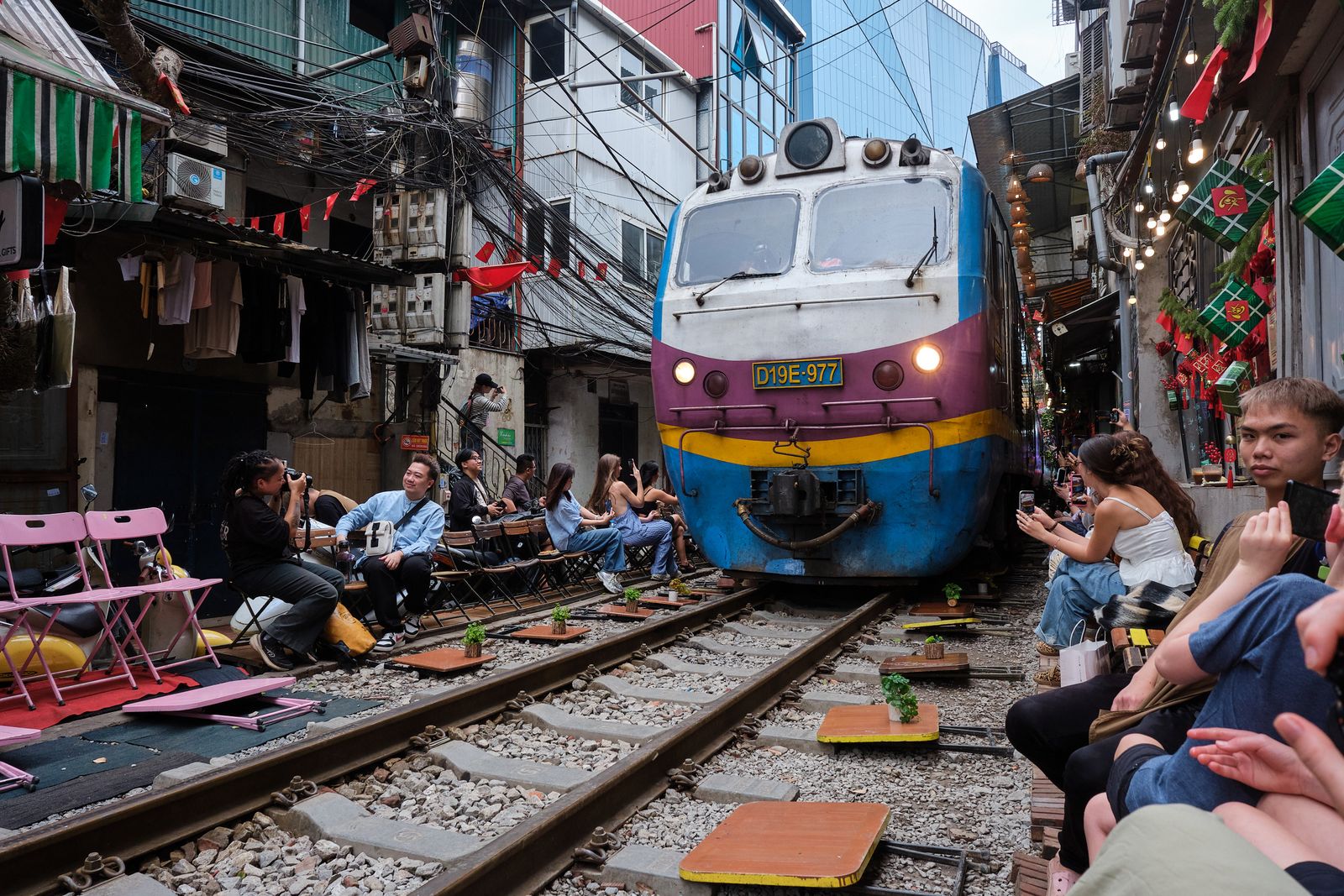
We messaged one of the recommended cafés ahead of time, and they kindly sent us the train schedule. We chose the 1pm train, which was less crowded. When you arrive, you order a coffee and sit right beside the tracks. At first, it feels manageable. The table seems close… but not too close. Then, a few minutes before the train arrives, everything shifts. Staff start folding tables at lightning speed. We’re told to turn our bodies sideways and not move. Then someone cheerfully says: “Good luck!”
Luck?!
One of the workers even looked at Teddy with concern and sat next to him to make sure he stayed perfectly still.
And then we heard it. The distant rumble.
The horn.
Closer.
Closer.
CLOSER.
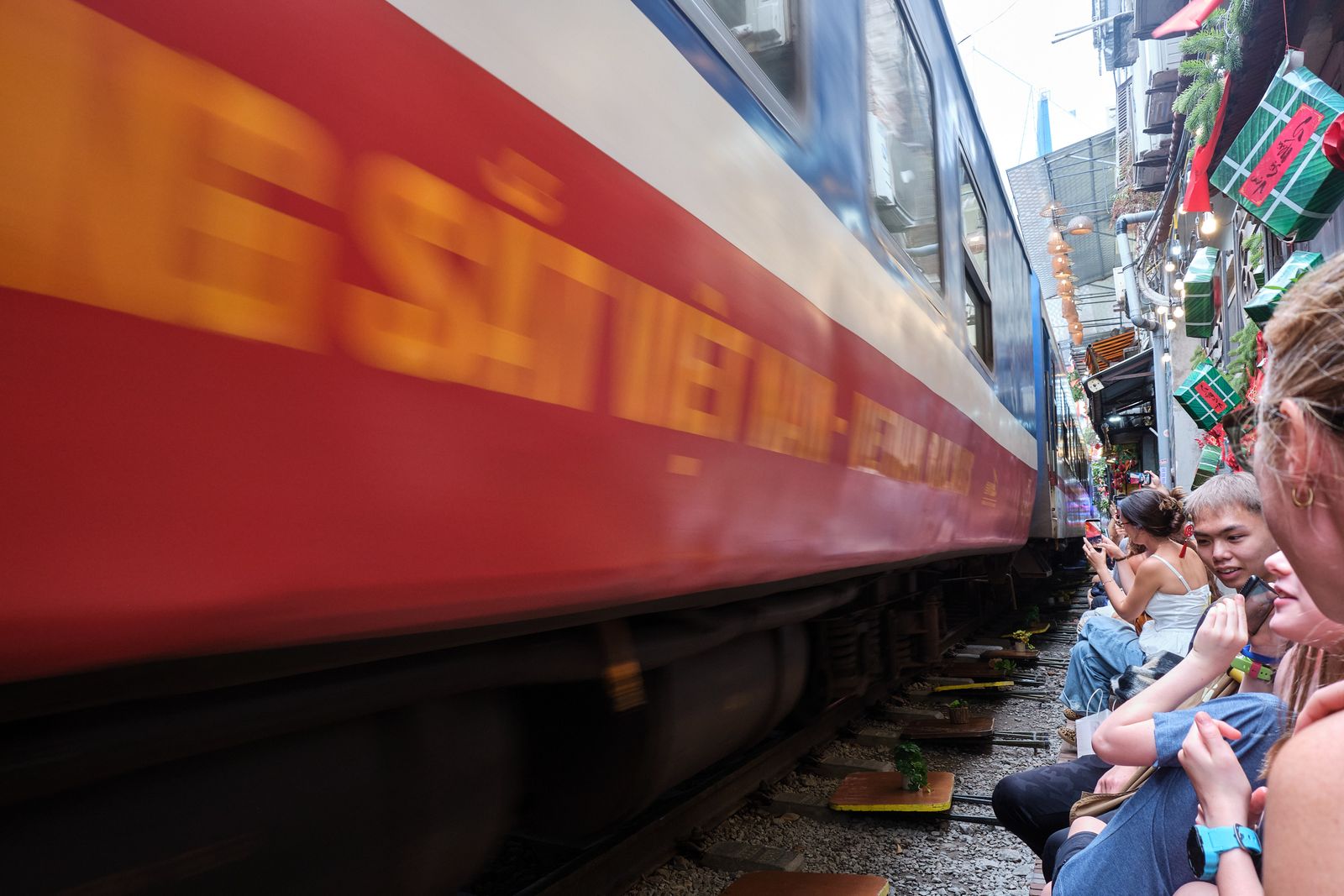
It was far nearer than I expected, so close you could reach out and touch the train (we absolutely did not).
The kids were scared… just enough to make it unforgettable. I loved it so much that I returned a second time by myself (don't tell the kids).
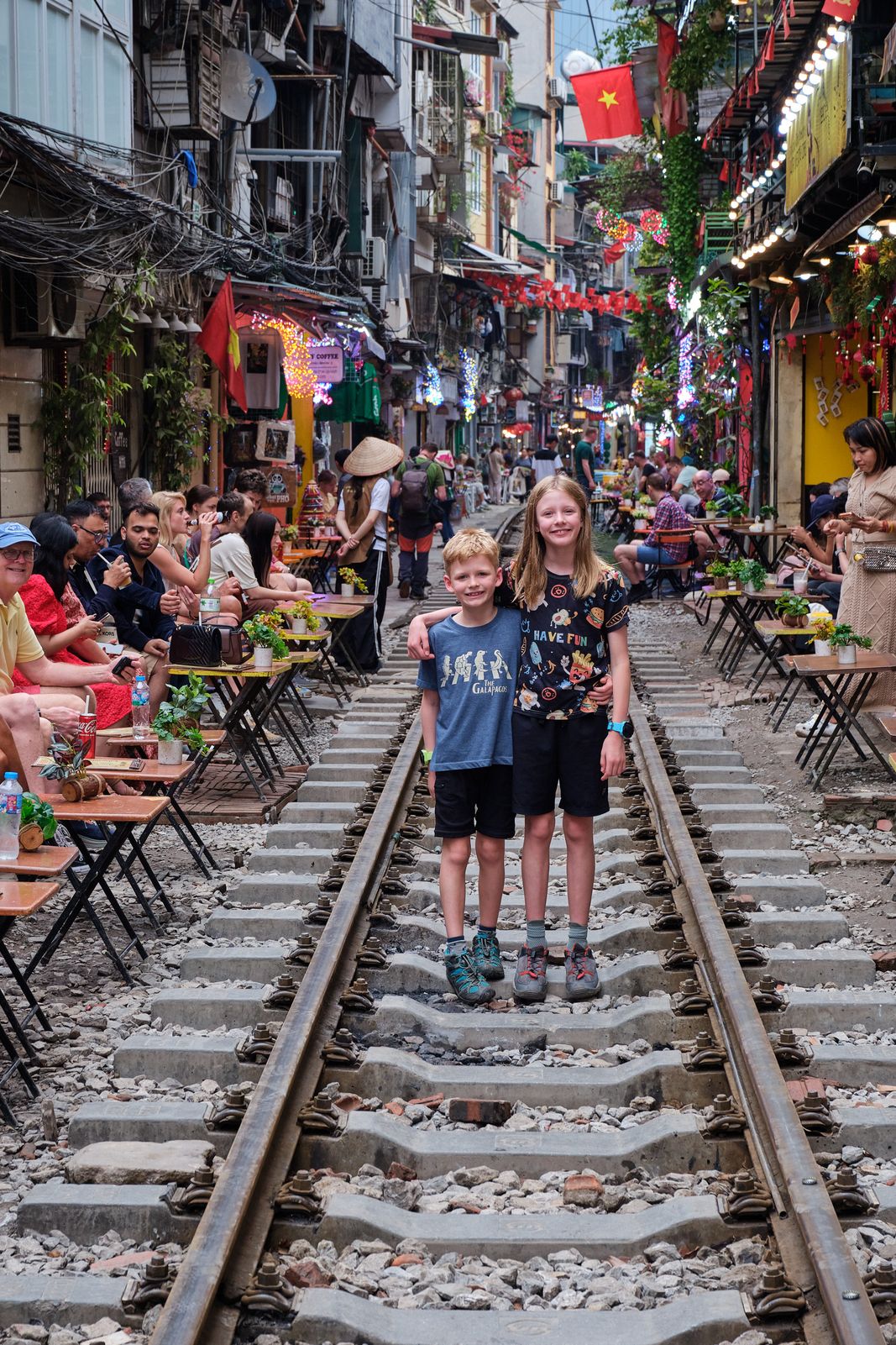
We spent hours wandering through the Old Quarter, sampling street food and soaking in daily life. Walking in Vietnam isn’t difficult because there are no sidewalks. It’s difficult because sidewalks aren’t really for walking. They’re an extension of people’s homes and businesses.
Sidewalks are used for:
- Motorbike parking (mostly motorbike parking)
- Families drinking tea and coffee on tiny plastic stools
- Sunflower seed snacking sessions
- Mobile street vendors
- Vegetable chopping and washing
- The occasional bonfire to burn ceremonial paper offerings for good luck
So where do pedestrians walk? On the street, of course. Which means motorbikes and cars honk constantly to signal their presence, creating an ongoing symphony of beeps.
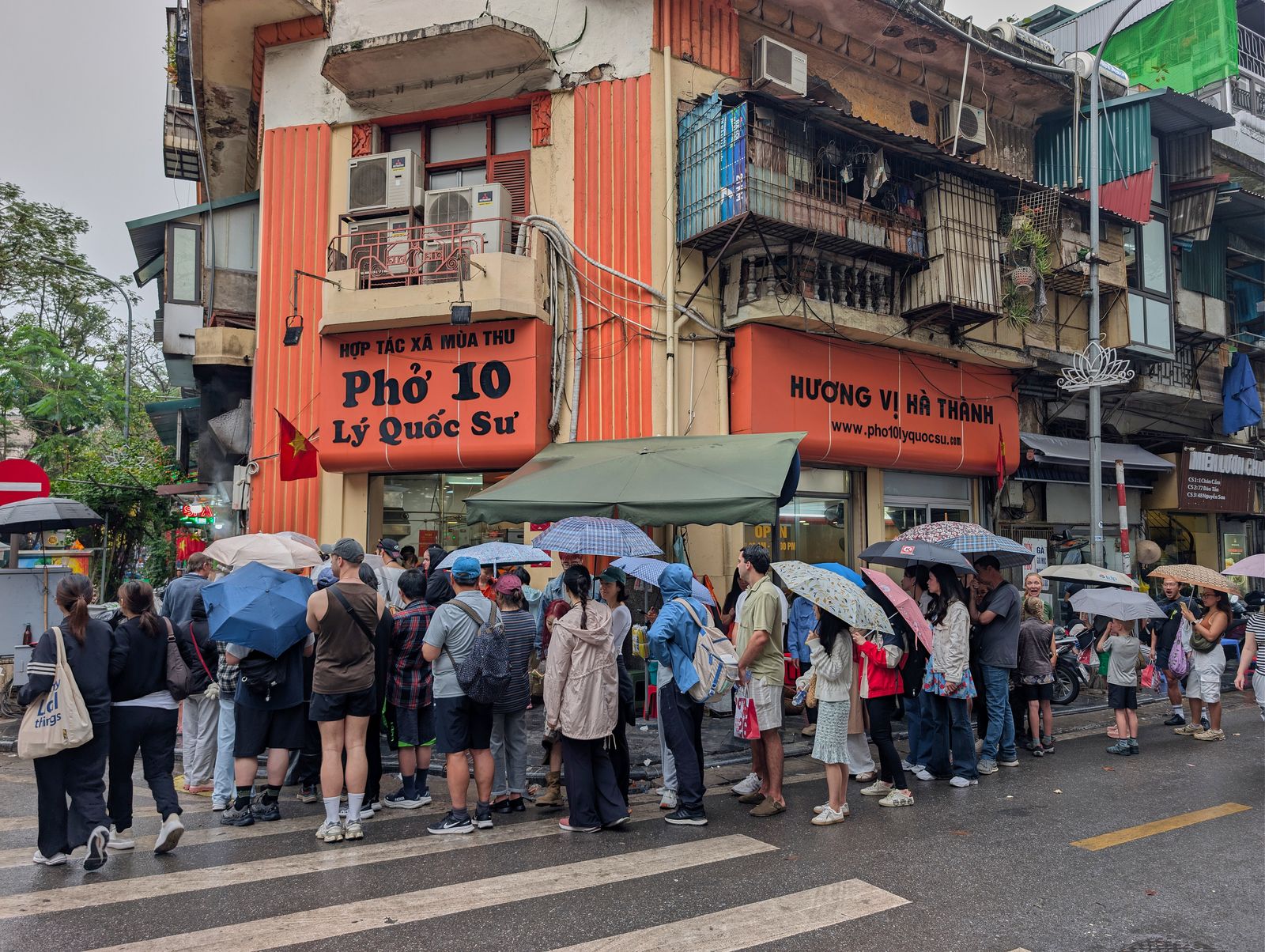
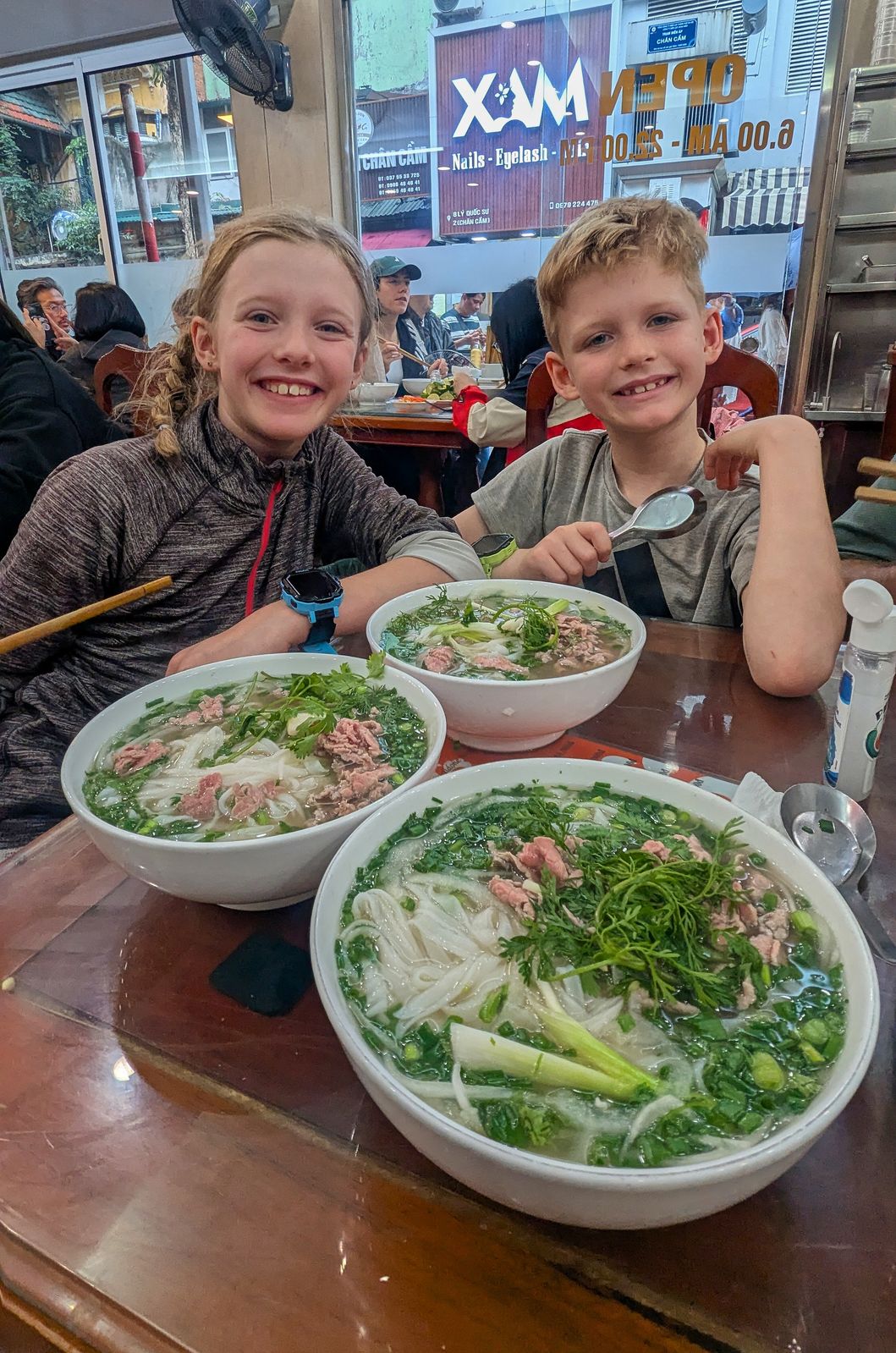
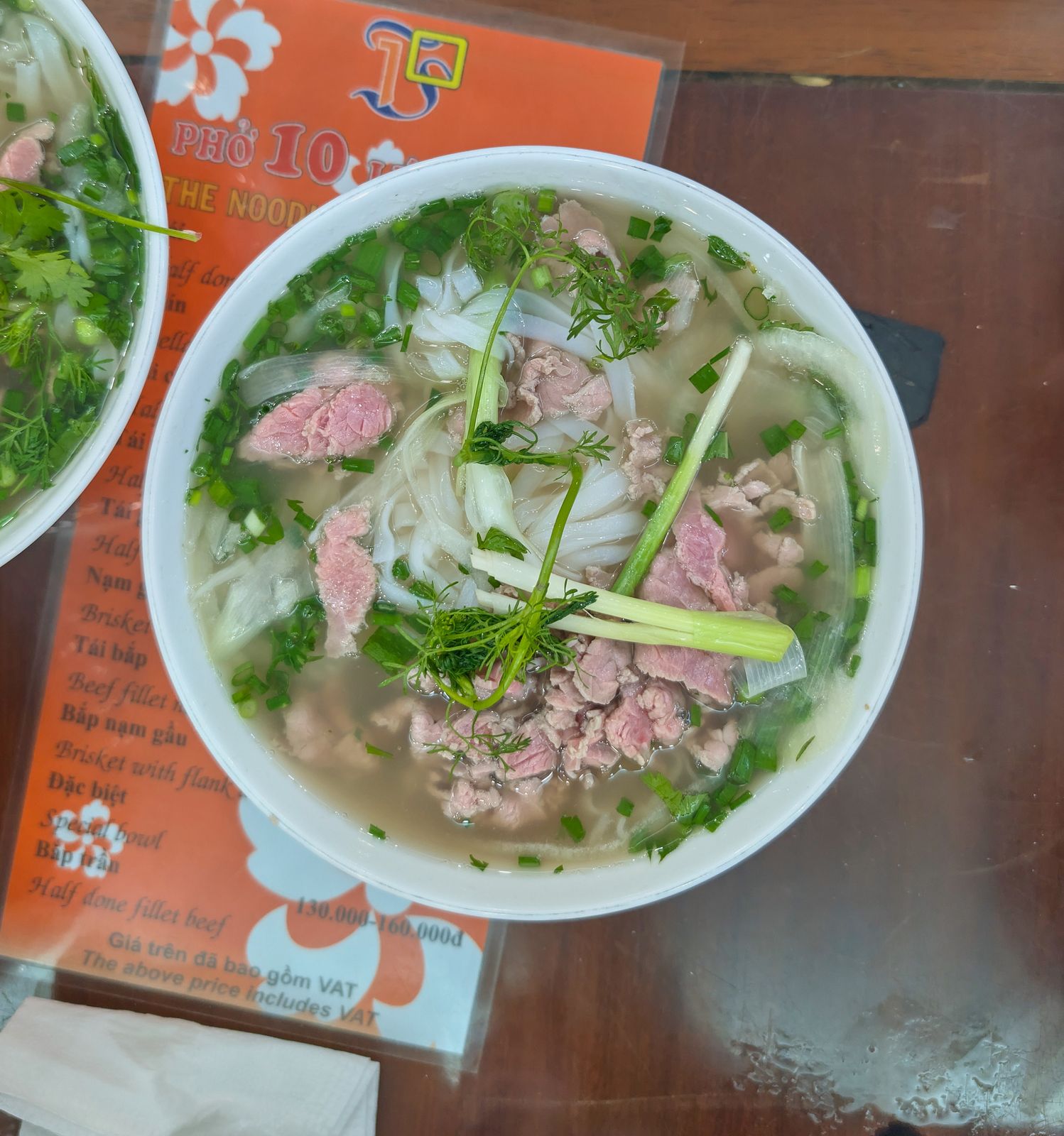
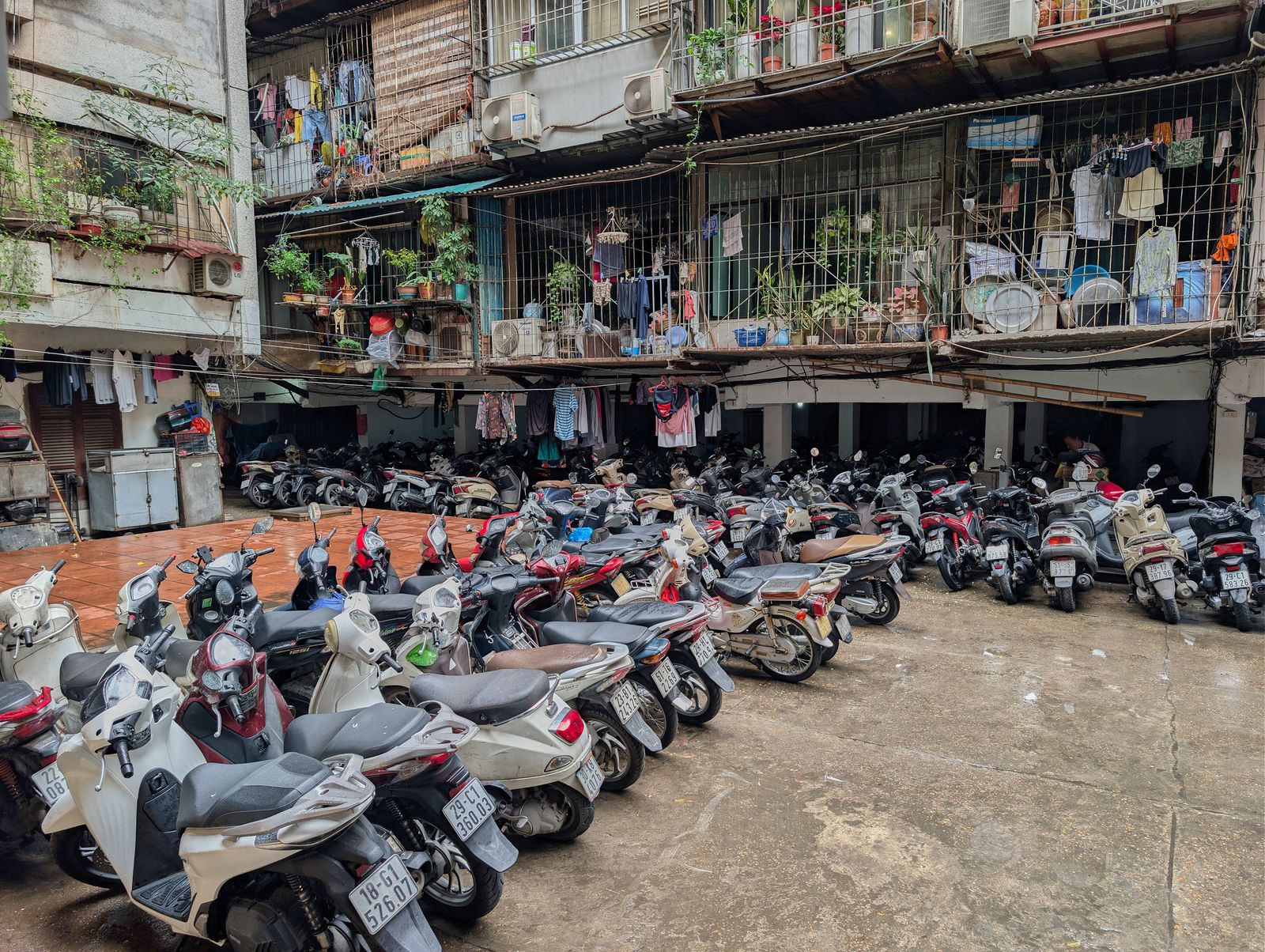
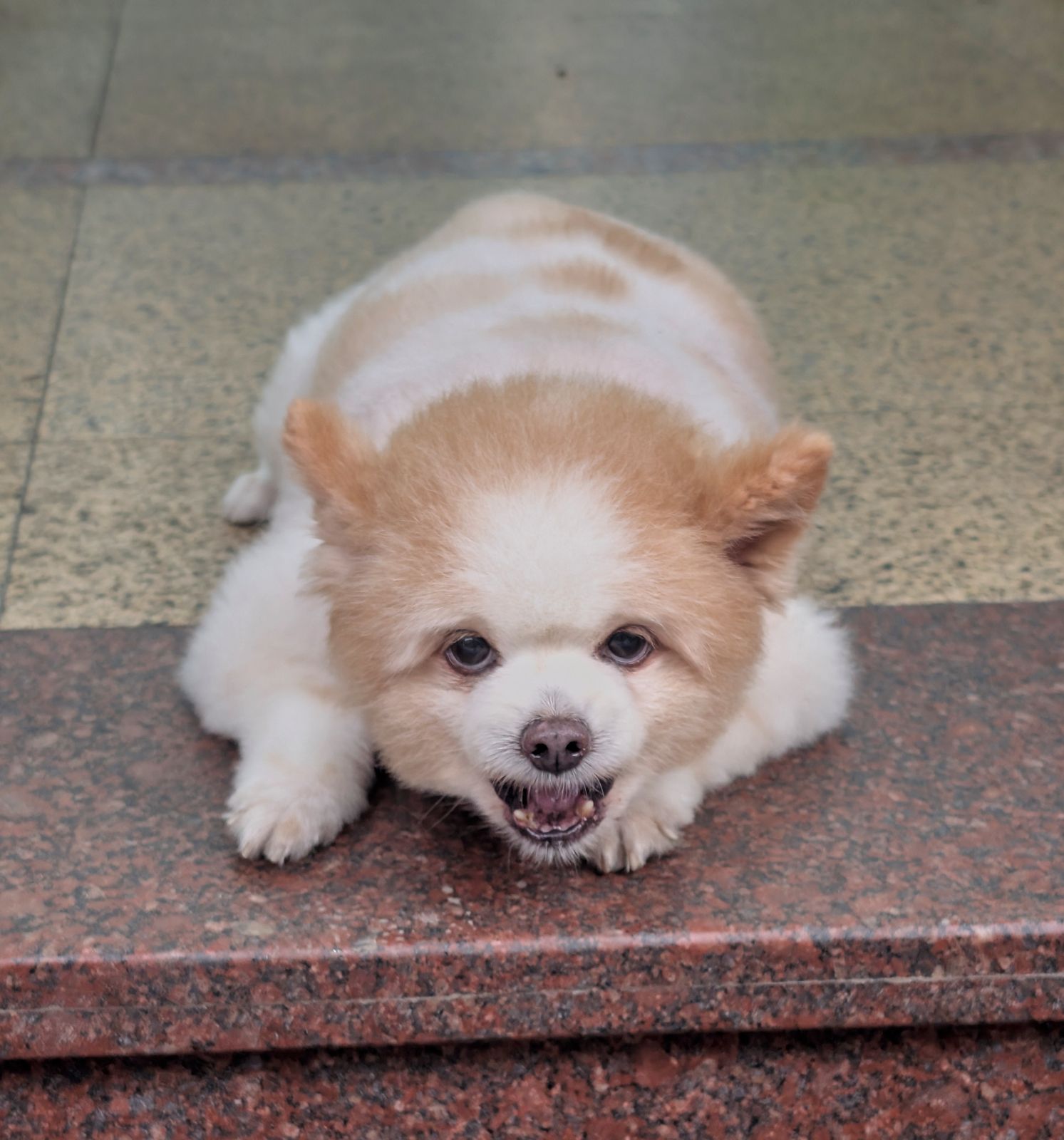
We knew what we were signing up for. We expected chaos. We embraced it. But if you ask Teddy what he thinks about Vietnam, he’ll say: “I like it… but I hate all the honking!”
Fair enough.
Just like that, our journey through Vietnam is already coming to an end.
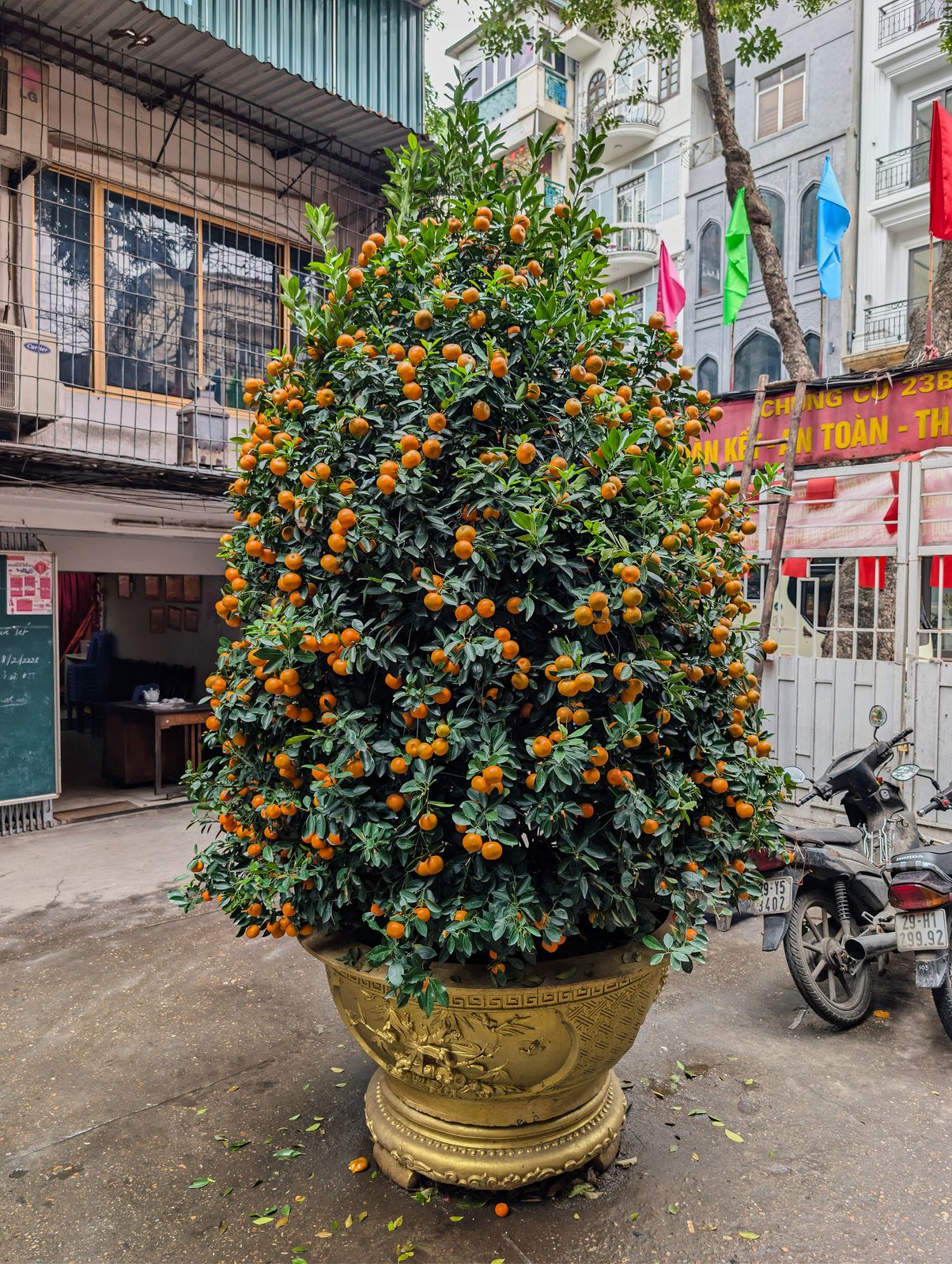
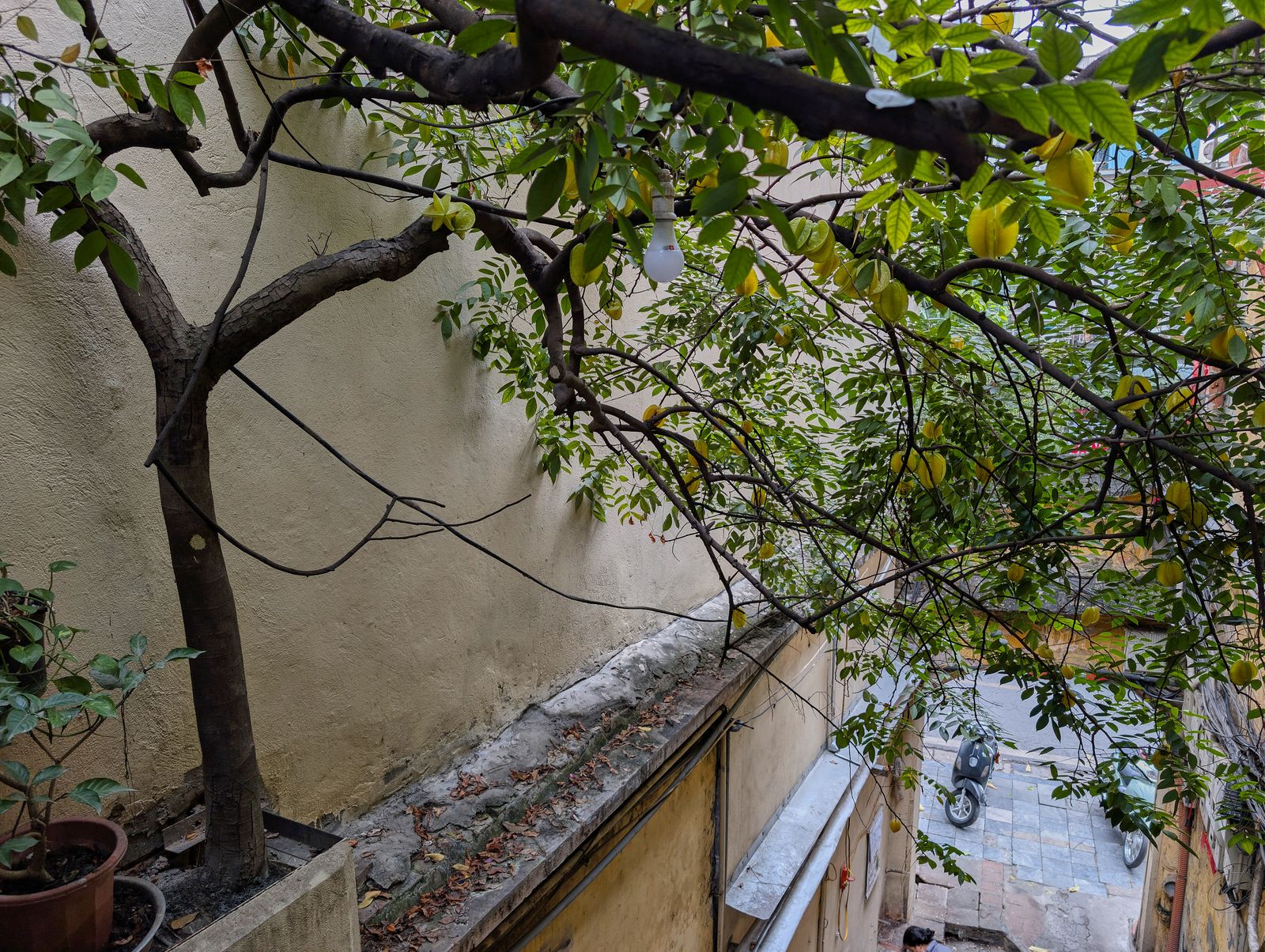
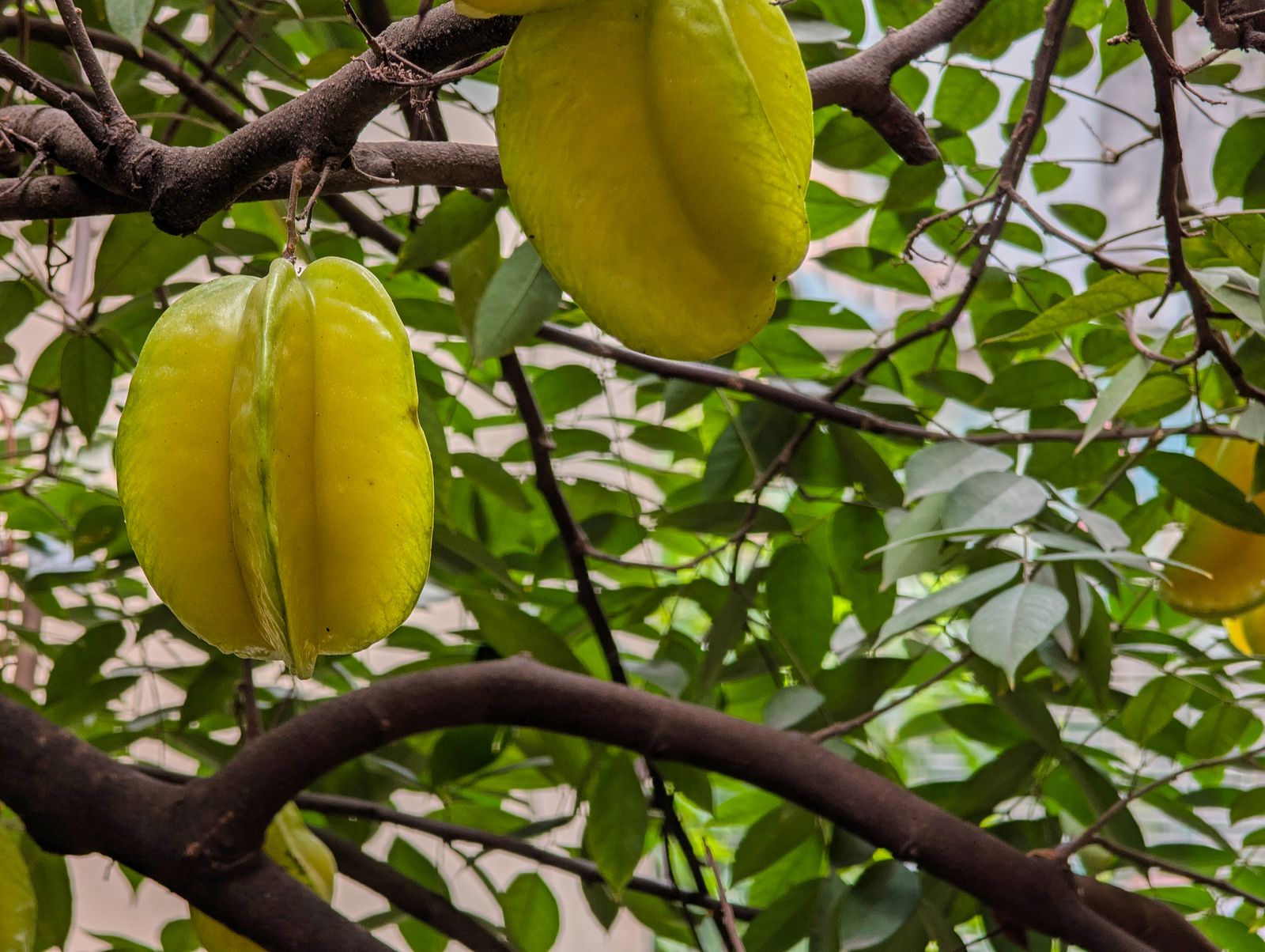
A few final notes from our four weeks in this fascinating country.
First, driving in Vietnam is… an experience. It often feels like it’s either full gas or full brake. Drivers pass large buses on blind curves, and near head-on collisions seem to be a normal part of the ride. Our best strategy quickly became simple: don’t look too far ahead and trust the driver. Somehow, it all works out.
Food, on the other hand, is one of the absolute highlights. Because agriculture remains such an important part of the economy and everyday life, ingredients are incredibly fresh. The result is simple but delicious cuisine that we enjoyed again and again throughout the trip.
Vietnam is considered a poor country, but it didn’t always feel that way to us. Yes, many houses are very modest and lifestyles can be simple. Yet people are well dressed, many have phones, scooters, or bikes, and daily life feels vibrant and active. More than anything, what stood out to us was the sense of community. People help one another, share what they have, and greet you with warm smiles wherever you go.
Even after four weeks in Vietnam, focusing mostly on the northern part of the country, we feel like we only scratched the surface of its treasures.
We’re especially glad we changed our plans to visit the Ha Giang region. It ended up being the highlight of our trip. The landscapes are absolutely breathtaking (yes… once again, the mountains!), but what made it truly special was the cultural experience and the chance to see a different side of Vietnam.
Next, we will be reunited with my family, which we are really looking forward to after these months on the road. It will be wonderful to slow down a little, share stories from our travels, and enjoy some time together before the last chapter of our journey begins.
Be the first to comment.